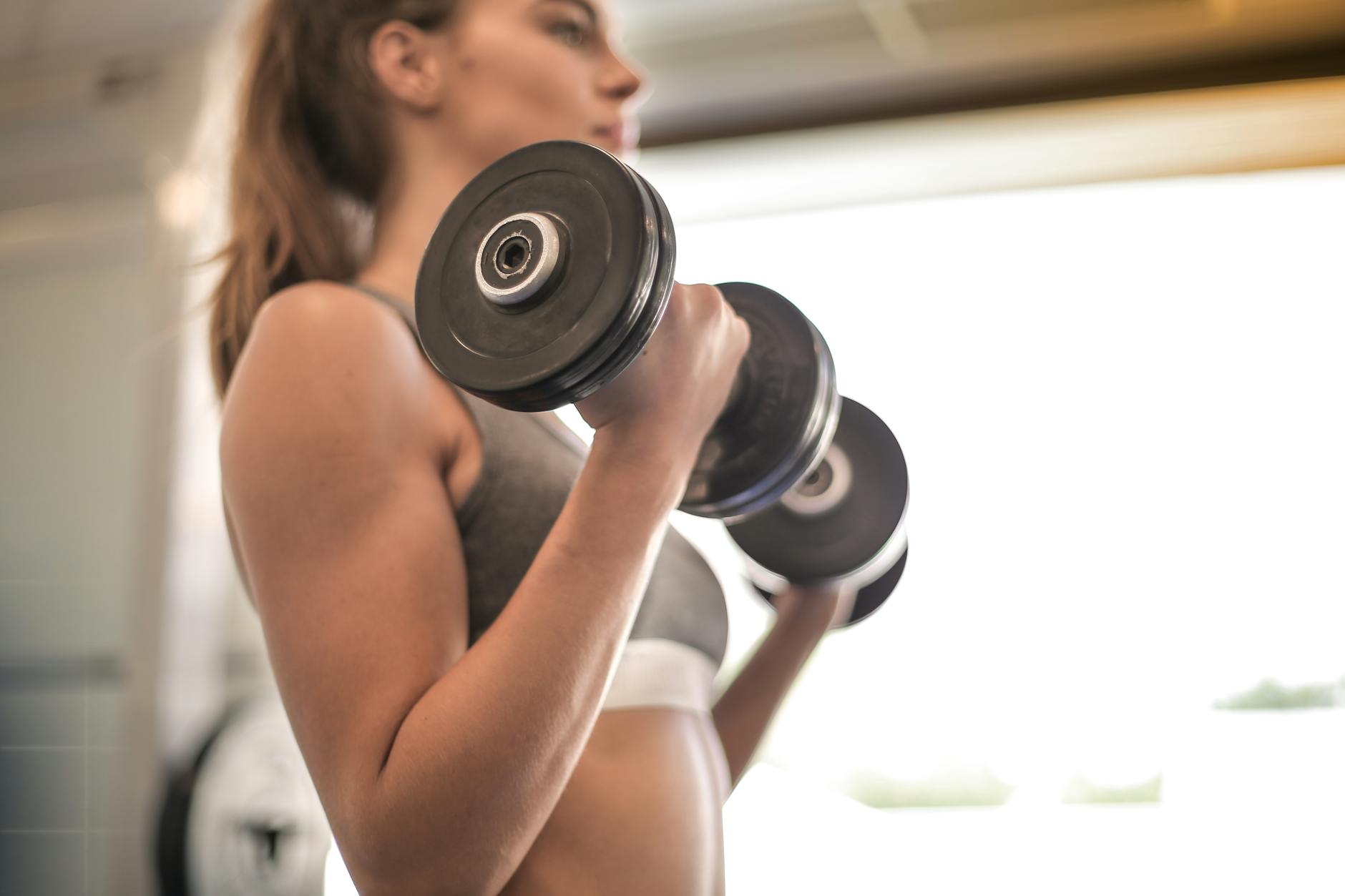
You can change how your body looks by building muscle, losing or gaining body fat, and improving posture. You cannot change the width of your pelvis, rib cage, or shoulders, and you cannot choose where fat comes off first.
Treat body shape as a useful visual starting point, never a diagnosis or destiny. Pick one muscle-building goal, follow the same strength plan for 12 weeks, support it with realistic nutrition, and judge progress from measurements, photos, and gym performance—not a body-type label.
What Can and Cannot Change Your Body Shape
| You can change | You cannot directly change |
|---|---|
| Muscle size in your glutes, shoulders, back, legs, arms, and core | Bone structure, including pelvis, rib-cage, and shoulder width |
| Overall body-fat level over time | Where your body stores or loses fat first |
| Posture, movement skill, and how confidently you carry yourself | Your height or limb proportions |
| Clothing fit through changes in muscle and fat | One area through spot-reduction exercises |
| Strength, fitness, and daily habits | Your metabolism based on a pear, apple, or “endomorph” label |
Training cannot spot-reduce stomach, hip, or thigh fat. Ab exercises strengthen your core, but they do not tell your body to burn fat from your waist. Glute exercises can build your glutes, but they do not widen your hip bones.
That is not bad news. Muscle, body fat, and posture can change your visible proportions enough to make clothes fit differently and create a noticeably stronger silhouette.
If you are unsure what a shape label describes, read Body Shape vs Body Composition. If you want to take consistent measurements first, use How to Determine Your Body Shape.
Use Three Levers for 12 Weeks
Do not chase a different workout for every body type. Use these three levers and keep them stable long enough to work.
1. Build muscle where you want more shape
Strength train your whole body, then add a small amount of extra weekly work for one priority area.
| Visual goal | Training emphasis | Add each week |
|---|---|---:|
| More lower-body shape | Glutes and legs | 4-6 hard sets |
| More upper-body balance | Shoulders and upper back | 4-6 hard sets |
| More shape at both ends | Glutes, shoulders, and upper back | 2-4 hard sets for each area |
| A generally stronger look | Balanced full-body training | No extra isolation work needed yet |
A hard set should finish with roughly one to three good reps left. More work is not automatically better. Start with the low end, recover, and add reps or weight before adding more exercises.
Use the broad Workout for Your Body Shape guide if you want a complete three-day plan with these adjustments built in.
2. Match nutrition to the result you want
Choose one nutrition direction:
- To lose fat, use a modest calorie deficit that still lets you train well.
- To build muscle with minimal fat gain, eat around maintenance or use a small calorie surplus.
- To recomp as a beginner, lift consistently, eat enough protein, and stay around maintenance or a small deficit.
Aim for a repeatable protein source at three or four meals. You do not need a “pear-shape diet,” an “apple-shape metabolism reset,” or food rules based on a somatotype. Those labels do not diagnose how your body processes food.
For a practical starting point, use the Body Recomposition for Women guide or set up Macros for Body Recomposition.
3. Keep daily movement and recovery boring
Walk most days, sleep as consistently as life allows, and leave recovery between hard sessions. These habits help you repeat the plan. They are not secret body-shape hacks.
Use two to four easy cardio sessions or brisk walks per week if fat loss and fitness are goals. Keep most sessions easy enough that they do not wreck your next strength workout.
A Three-Day Plan to Change Your Visible Shape
Run this base on three nonconsecutive days each week. Add the optional priority work from the next section, not an entire second program.
Day 1: Squat, push, and pull
| Exercise | Sets | Reps |
|---|---:|---:|
| Goblet squat or leg press | 3 | 8-12 |
| Dumbbell bench press | 3 | 8-12 |
| Lat pulldown | 3 | 8-12 |
| Romanian deadlift | 3 | 8-12 |
| Plank | 3 | 20-40 seconds |
Day 2: Glutes, shoulders, and back
| Exercise | Sets | Reps |
|---|---:|---:|
| Hip thrust or glute bridge | 3 | 8-12 |
| Split squat | 3 | 8-10 per side |
| Dumbbell shoulder press | 3 | 8-12 |
| Seated cable row | 3 | 8-12 |
| Dead bug | 3 | 8-12 per side |
Day 3: Full body
| Exercise | Sets | Reps |
|---|---:|---:|
| Trap-bar deadlift or kettlebell deadlift | 3 | 6-10 |
| Step-up | 3 | 8-12 per side |
| Incline dumbbell press | 3 | 8-12 |
| Assisted pull-up or pulldown | 3 | 8-12 |
| Farmer carry | 3 | 30-45 seconds |
Warm up with five minutes of easy movement and one or two lighter practice sets. Choose weights that leave one to three clean reps in reserve.
If you are brand new, read Strength Training for Women Beginners before adding extra volume.
Add One Priority, Not Five
After the base workout, choose one adjustment:
- For glutes and legs, add two sets of hip thrusts after Day 1 and two sets of cable kickbacks or abductions after Day 3.
- For shoulders and upper back, add two sets of lateral raises after Day 1 and two sets of rows or reverse flyes after Day 3.
- For both areas, add two glute sets after Day 1 and two shoulder or upper-back sets after Day 3.
- For general strength, add nothing for the first four weeks. Progress the base lifts.
Keep the adjustment for at least eight weeks. Shape-specific pages can help you choose an emphasis, but do not stack several plans. Use the Pear-Shaped Body Workout for more upper-body balance, the Inverted Triangle Body Workout for more lower-body emphasis, or the Rectangle Body Shape Workout for glute-and-shoulder emphasis.
If hip dips are the feature you are thinking about, use the Hip Dips Workout for Women for a realistic two-day glute plan. It can build muscle around your current frame, not erase the bone structure underneath it.
Progress the Exercises Without Rewriting the Plan
Use double progression:
- Pick a weight you can lift for the bottom of the rep range with clean form.
- Keep that weight until every set reaches the top of the range.
- Add the smallest available weight increase.
- Return to the bottom of the range and repeat.
Example: if hip thrusts are programmed for 3 sets of 8-12, build from 10, 9, 8 reps to 12, 12, 12. Then add weight and begin near 8 reps again.
Log every working set. If reps and strength are rising, the plan is doing its job even before a photo looks different.
Measure Change Every Four Weeks
Check progress under similar conditions every four weeks, not every morning.
Track:
- average body weight from three or more weekly weigh-ins, if weight is useful for your goal
- waist, hip, and any goal-relevant measurements
- front, side, and back photos in similar clothing and lighting
- reps and weights for your main exercises
- how clothes fit and how the plan feels to recover from
Do not rely on one smart-scale body-fat reading. Hydration can move the estimate without meaningful fat or muscle change.
After four weeks, keep the plan if strength is improving and at least one useful measurement is moving in the intended direction. If nothing changes, check training effort and consistency first, then adjust calories slightly. Do not replace the whole program because you had one flat week.
Avoid the Body-Type Traps
Skip these promises:
- “Endomorph,” “ectomorph,” or “mesomorph” workouts and diets
- waist exercises that claim to burn belly fat
- detoxes or hormone claims based only on visible proportions
- programs that remove entire food groups for a body-shape label
- before-and-after promises with no timeframe, training log, or nutrition context
A body-shape label cannot tell you what is happening with hormones or health. Talk with a qualified clinician if you have rapid unexplained body changes, missed periods, persistent fatigue, pain, or other symptoms that need medical assessment.
Start Today
Choose one emphasis, schedule the three workouts, and record your starting measurements and lifts. Run the plan for 12 weeks before judging what your body can change.
Soma keeps the useful pieces together: your workouts, weights, reps, RPE, calories, macros, photos, and progress. That makes it easier to adjust from evidence instead of a body-type rule. Download Soma free on the App Store.